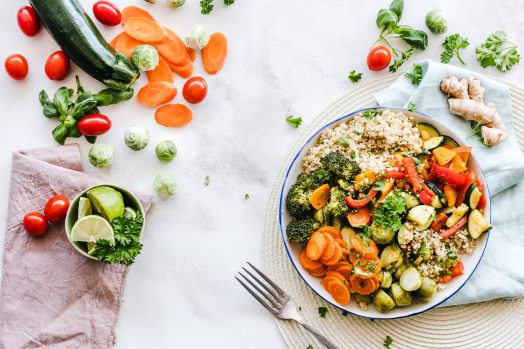
How much do you know about the Paleo Diet ? I’ve just made the change and loving it so much that we thought I wanna share my findings and experience with you. The Paleo Diet is also known as The Caveman Diet. It is from the Paleolithic Age and is based on the Hunter Gatherer style of eating. Fresh fruit and veg, shell fish, meat and good oils are its mantra. Eating Paleo is actually pretty straightforward! It’s all about increasing the nutrient-density of your diet while avoiding nutrient-poor or inflammatory foods. A beginner’s guide to paleo diet will be very helpful and knowledgeable.
I believe Paleo is one of the healthiest ways to eat on the planet. It’s based around avoiding processed foods, gluten, grains, soy, dairy, and legumes, and eating real, unprocessed foods.
Sadly, the modern diet is loaded with preservatives and other obscure chemicals, making it not surprising that diseases like type 2 diabetes, obesity and hyperthyroidism are on the rise. When you “go Paleo” you not only cut out all the toxic, processed foods that are making us sick, but you start eating real meals packed with nutrients. (If that sounds boring to you, we’ll have to disagree.)After the first few weeks Paleo, many experience weight loss, big surges in energy, and many other benefits that come with eating real, nourishing food. It’s more than just a diet, though — it’s a smart, adaptive, evolutionary approach that can improve any aspect of your health.
What is Paleo Diet?
Paleo diets are based on a simple premise – if the cavemen didn’t eat it, you shouldn’t either.The dietary plan promotes consumption of whole, natural foods that we are biologically attached to, such as veggies, fruits, nuts, organic meats, seeds and unrefined vegetable oils. The idea is that by eliminating modern-era foods like highly-processed carbs and dairy, you can avoid or control “diseases of civilization” like Type 2 diabetes and heart disease, and likely lose weight too.
Health Benefits Of Paleo Diet
- Aids in lose weight
- Improve athletic performance
- Helps you sleep better
- Improves mood and gives you fuller feeling
- Reduces inflammation & arthritis
- Address autoimmune conditions
- Helps in mental health problems & depression.
- Reduce your risk of heart disease, cancer, and diabetes.
- Provides your body with antioxidants and phytonutrients.
- Promotes healthier beautiful skin, hair and strong teeth.
- Leaner Muscle Tone.
What can you Eat on Paleo Diet?
There is a lot of room for individual experimentation (for example, some people include dairy or white rice if they tolerate them well and some people exclude additional foods because they do not tolerate them well) and there is always room for new research that may change the Paleo tenants. Paleo isn’t a crash diet. It is a lifestyle offering long-term rewards for long-term compliance, and many people can reap those rewards even if they don’t eat Paleo 100% of the time. It is a lifestyle seeking to improve overall health, which encourages you to find the balance that works for you, a balance that enables you to be happy as well as healthy!
- Meat: Beef, lamb, chicken, turkey, pork and others.
- Fish and seafood: Salmon, trout, haddock, shrimp, shellfish, etc. Choose wild-caught if you can.
- Eggs: Choose free-range, pastured or omega-3 enriched eggs.
- Vegetables: Broccoli, kale, peppers, onions, carrots, tomatoes, etc.
- Fruits: Apples, bananas, oranges, pears, avocados, strawberries, blueberries and more.
- Tubers: Potatoes, sweet potatoes, yams, turnips, etc.
- Nuts and seeds: Almonds, macadamia nuts, walnuts, hazelnuts, sunflower seeds, pumpkin seeds and more.
- Healthy fats and oils: Extra virgin olive oil, coconut oil, avocado oil and others.
- Salt and spices: Sea salt, garlic, turmeric, rosemary, etc.
What to avoid on the Paleo Diet?
- Sugar and high-fructose corn syrup: Soft drinks, fruit juices, table sugar, candy, pastries, ice cream and many others.
- Grains: Includes breads and pastas, wheat, spelt, rye, barley, etc.
- Legumes: Beans, lentils and many more.
- Dairy: Avoid most dairy, especially low-fat (some versions of paleo do include full-fat dairy like butter and cheese).
- Some vegetable oils: Soybean oil, sunflower oil, cottonseed oil, corn oil, grapeseed oil, safflower oil and others.
- Trans fats: Found in margarine and various processed foods. Usually referred to as “hydrogenated” or “partially hydrogenated” oils.
- Artificial sweeteners: Aspartame, sucralose, cyclamates, saccharin, acesulfame potassium. Use natural sweeteners instead.
- Highly processed foods: Everything labeled “diet” or “low-fat” or that has many additives. Includes artificial meal replacements.
Sensible Indulgences
Even though these foods are not allowed on original paleo diet, they can be consumed in small amounts or occasionally.
- Wine: Quality red wine is high in antioxidants and beneficial nutrients.
- Dark chocolate: Choose one that has 70% or higher cocoa content. Quality dark chocolate is very nutritious and extremely healthy.
What to Drink When You’re Thirsty?
People following the paleo diet should drink lots of water. Some people on this diet also drink black coffee or green tea, but they avoid all soft drinks and juices with added sugar.
- Tea: Tea is very healthy and loaded with antioxidants and various beneficial compounds. Green tea is best option.
- Coffee: Coffee is actually very high in antioxidants as well. Studies show that it has many health benefits.
How much does Paleo Diet cost?
The Paleo Diet can get expensive – the produce section and meat counter are among the priciest corners of the grocery store. A small tip you can always keep an eye out for discounts, coupons, and special offers. Remember, you don’t always have to spend tons of money on the most expensive ingredients and foods. There are much cheaper alternatives most of the time.
The same thing applies to grass-fed meat. Its great if you have it, but regular meat is still 10times better for you than a sandwich on white bread or something else grown out of wheat. At some point, you have to decide whether or not your health is a priority worth the investment of your time and money. Start trying to see eating paleo as a good investment, and ask yourself the following questions about your health to really put things into perspective.
What are Paleo Workout Routines?
Exercising in the Paleo lifestyle involves whole incorporating body movements that build functional strength that will help you hunt for your dinner, run away from rival tribes, and survive the occasional sabertooth tiger encounter. This includes things like bodyweight exercises, kettlebells, yoga, olympic lifts, TRX training, and other related activities. Oh yeah, and this type of exercise will also help you look better, feel better, reduce risk of injury, and a LOT more.
How easy is Paleo Diet to follow?
Can you get used to the idea of breadless sandwiches? Or having your milk and cookies without either milk or cookies? Diets like the Paleo Diet that restrict entire food groups are difficult to follow. We’re not going to lie to you and tell you that transitioning to Paleo for the first time isn’t a challenge — because it definitely is. You may encounter social and family pressure to not change the way you eat. You may go through a ‘detox’ phase as you eliminate foods that your body and brain are likely addicted to. But you CAN do it, and the results from changing your diet will make any challenges you face worth it.
The Bottom Line
The Paleo diet includes nutrient-dense whole fresh foods and encourages participants to steer away from highly processed foods containing added salt, sugar, and unhealthy fats. Paleo-friendly foods include meat, fish, eggs, seeds, nuts, fruits and veggies, along with healthy fats and oils. Avoid processed foods, grains and sugar. However, the omission of whole grains, dairy, and legumes could lead to suboptimal intake of important nutrients. Many people who embark on the Paleo Diet do feel drained initially because they cut back on carbs and rely on fats and protein as a source of energy. Combined with reports of bad breath, headaches and irritability you really need to be sure that this diet is for you.
Like all drastic changes in diets and lifestyle, if you do decide to go ahead with the Paleo Diet, ease yourself into it slowly. As with similar eating plans, no extreme is the right way to go, so your approach should be to modify and change depending upon your needs and lifestyle. You can also base your diet on paleo foods, adding in a few modern healthy foods like grass-fed butter and gluten-free grains. Stock your kitchen and pantry with these healthy, paleo-friendly foods.
 Live Fitness Food